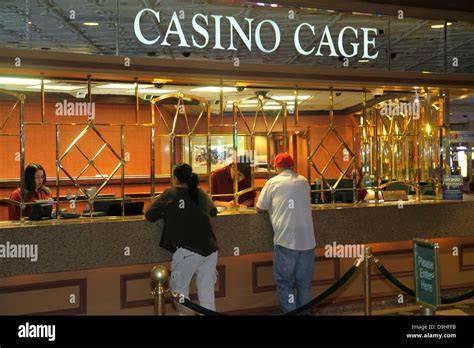
Casino Cage: The Financial Backbone of Casino Operations
The casino cage is far more than a simple cashier window—it is the strategic financial hub that ensures liquidity, security, and regulatory compliance for the entire gaming floor. In this expert guide, we break down its functions, operational workflows, and modern security protocols.
Table of Contents
- Key Functions of a Casino Cage
- The Cage Team: Roles and Responsibilities
- Cash Management Process: From Drop to Vault
- Security Protocols and Compliance
- Modern Trends: Cashless and AI-driven Cages
- Frequently Asked Questions
Key Functions of a Casino Cage
The cage is the only authorized department that converts gaming chips, tickets, and cash. Its primary duties include:
- Chip redemption and purchase – exchanging currency for gaming chips and vice versa.
- Marker (credit) issuance and collection – managing player credit lines and debt recovery.
- Selling and cashing out TITO tickets – processing slot vouchers.
- Providing cash advances – large withdrawals for high rollers under strict AML (Anti-Money Laundering) rules.
- Reconciling table drops – verifying each table’s earnings against the drop box count.
The Cage Team: Roles and Responsibilities
A well-structured cage operates with clear segregation of duties to prevent fraud and errors:
| Role | Key Responsibility |
|---|---|
| Cage Manager | Oversees all operations, audits balances, and reports to the CFO. |
| Lead Cashier | Supervises cashier stations, resolves disputes, and handles vault transfers. |
| Cashier | Executes customer transactions (cash, chips, markers). |
| Vault Teller | Manages bulk cash inventory, orders new currency, and performs reconciliations. |
| Auditor | Performs surprise cash counts and ensures compliance with internal controls. |
Cash Management Process: From Drop to Vault
The lifecycle of cash in a casino follows a strict four-step flow designed for maximum traceability:
- Soft Count Team – Removes drop boxes from tables, counts currency and tickets in a dedicated, camera-monitored room.
- Verification – Two independent counters must agree on totals before signing off.
- Vault Transfer – Currency is sealed in tamper-evident bags and moved to the central vault via a secure, escorted route.
- Replenishment – The cage replenishes cashier stations based on projected demand, tracked via an enterprise resource planning (ERP) system.
Security Protocols and Compliance
Modern casino cages cannot operate without a multi-layered security architecture:
- Suspicious Transaction Reporting (STR) – Any transaction over $10,000 (or structured amounts) triggers an automated report to FinCEN (or local financial intelligence unit).
- Biometric Access – Vault and soft count rooms require dual authentication (fingerprint + keycard).
- Surprise Audits – At least twice per month, internal auditors conduct full blind counts of the cage inventory.
- CCTV Panoptic Coverage – Every cashier window and vault entrance has 360-degree recording with 90-day retention.
…