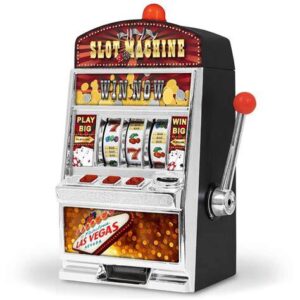
Casino Infrastructure: The Backbone of a Modern Gaming Experience
The global casino industry generates over $250 billion annually, yet the sleek slot floors and buzzing poker tables represent only the visible tip of a colossal operational iceberg. Behind every successful gaming operation lies a meticulously engineered ecosystem of physical assets, regulatory compliance, and cutting-edge technology. This infrastructure—spanning surveillance networks, security protocols, HVAC systems, power redundancy, and data analytics—determines whether a casino thrives or merely survives. In this article, we dissect the critical components that constitute modern casino infrastructure and explore why they are indispensable to operational excellence.
Table of Contents
- Core Physical Infrastructure
- Surveillance and Security Systems
- IT and Data Infrastructure
- Regulatory and Compliance Considerations
- Hospitality and Amenities Integration
Core Physical Infrastructure
A casino is far more than a gaming floor; it is a self-contained micro-city designed for 24/7 operation. The physical backbone includes:
| Component | Purpose | Critical Considerations |
|---|---|---|
| HVAC Systems | Maintain air quality, temperature, and odor control | Casino floors require 25-30 air changes per hour to combat smoke and heat from gaming equipment |
| Power Redundancy | Uninterrupted electrical supply | Dual feeders, UPS systems, and backup generators ensure no downtime during failures |
| Structural Design | Support heavy equipment and large crowds | Load-bearing floors, wide corridors, and accessible emergency routes |
| Water and Plumbing | Serve restaurants, restrooms, and hotel amenities | High-capacity systems required for sudden peak usage |
Key Design Principles:
- Traffic flow optimization – Gaming areas separated from high-traffic entrances to prevent bottlenecks
- Acoustic engineering – Sound-absorbing materials to manage noise levels without isolating the energetic vibe
- Emergency preparedness – Fire suppression systems, sprinklers, and clear evacuation pathways
Surveillance and Surveillance and Security Systems
Security is the heartbeat of casino infrastructure. Modern facilities deploy a layered approach.
Physical Security:
- Door access control systems with biometric verification
- Bulletproof glass at cashier stations and high-limit areas
- Armed/unarmed security personnel roving every 500 square meters
Technological Oversight:
- CCTV networks with up to 4K resolution and 360-degree PTZ cameras
- Facial recognition software integrated with watchlists for known cheats and banned patrons
- AI-powered analytics that detect unusual behavioral patterns (e.g., card counting, team play)
A typical casino may operate 1,500–3,000 cameras generating 150 TB of video data weekly. Without robust storage and forensic retrieval tools, this data is practically useless. Modern systems use cloud-based offsite storage with 90-day minimum retention as mandated by most gaming commissions.
IT and Data Infrastructure
…