Casino Addiction Support: A Comprehensive Guide to Recognizing, Managing, and Overcoming Gambling Disorder
Problem gambling affects millions of people worldwide, silently destroying finances, relationships, and mental health. Yet, the path to recovery is rarely discussed with the clarity and depth it deserves. This guide provides actionable, expert-backed strategies for anyone seeking casino addiction support, whether for themselves or a loved one.
Table of Contents
- Understanding Casino Addiction: The Psychology of the Chase
- Warning Signs: When Entertainment Becomes a Disorder
- Immediate Steps to Take After Admitting the Problem
- Professional Treatment Options and Support Resources
- How to Support a Loved One Without Enabling Them
- Relapse Prevention and Long-Term Recovery Strategies
- Frequently Asked Questions (FAQ)
Understanding Casino Addiction: The Psychology of the Chase
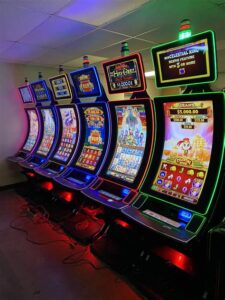
Casino addiction, clinically known as gambling disorder, is a behavioral addiction recognized by the DSM-5 (Diagnostic and Statistical Manual of Mental Disorders). Unlike substance abuse, the «drug» here is the neurochemical cocktail of dopamine released during near-misses and wins. The industry is engineered to exploit this: slot machines use variable reward schedules, and table games create an illusion of control, keeping players in a dissociative state often called «the zone.»
Statistically, only 1-2% of the general population develops a severe gambling problem, but the impact is disproportionately catastrophic. The financial consequences are staggering—the average pathological gambler in the U.S. accumulates over $120,000 in gambling-related debt. Beyond money, the condition correlates with a 15-20% suicide attempt rate, making it one of the most lethal behavioral disorders.
The underlying drivers are rarely about greed. Compulsive gamblers often chase losses to escape anxiety, depression, or unresolved trauma. The casino provides a temporary emotional anesthesia, which is why simply «quitting» without addressing the root cause fails in 90% of cases.
Warning Signs: When Entertainment Becomes a Disorder
Recognizing a problem early is the single most effective way to minimize damage. Use the following checklist to assess your own behavior or that of a family member. If you answer «yes» to four or more questions, professional intervention is strongly recommended.
- Preoccupation: Do you constantly think about past gambling experiences, planning the next session, or devising ways to get money for gambling?
- Tolerance: Have you needed to bet larger amounts of money to achieve the same thrill or rush?
- Loss of Control: Have you tried to cut back or stop gambling, but failed repeatedly?
- Withdrawal Symptoms: Do you feel irritable, restless, or depressed when attempting to reduce or stop gambling?
- Chasing Losses: Do you often return to the casino the next day to «win back» the money you have lost?
- Lying: Do you hide the extent of your gambling from family, partners, or friends?
…