Casino Architecture: The Science of Design and Player Psychology
Casino architecture is far more than the creation of glittering facades and opulent interiors — it’s a meticulously crafted science designed to influence behavior, maximize revenue, and create an unforgettable sense of escape. From the labyrinthine floor plans of Las Vegas mega-resorts to the intimate elegance of Monte Carlo, every square foot is engineered with intent. This expert guide explores the core principles, psychological triggers, and emerging trends that define this unique and fascinating field.
Table of Contents
- The Core Principles: How Casino Layouts Work
- The Psychology of Light, Sound, and Color
- Strategic Placement: Slots, Tables, and Amenities
- The End of the Maze: Modern Trends in Casino Design
- FAQ: Common Questions About Casino Design
The Core Principles: How Casino Layouts Work
The foundational goal of casino architecture is to keep guests inside for as long as possible. This is achieved through the «playground effect» — a design that disorients the visitor from the passage of time and the outside world.
The classic layout principles include:
- The Absence of Clocks and Windows: This is the most universally recognized rule. Without natural light or time cues, guests lose track of hours, extending play sessions.
- Curved Corridors and Non-Linear Paths: Straight paths lead to exits. Designers use curved walkways that gently guide guests past more gaming opportunities, making the exit both visually and physically obscured.
- The «Deep» Floor Plan: High-limit rooms are typically located in the back or on upper floors. This forces players to walk past standard slot machines and table games, creating a «funnel» of impulse opportunities before reaching the VIP area.
- Anchored Amenities: Restaurants, bars, and restrooms are deliberately placed away from the main action. This simple diversion forces guests to walk through the gaming floor, increasing the probability of a spontaneous bet.
The Psychology of Light, Sound, and Color
The sensory experience is a critical architectural tool. The environment is tuned to create a sense of euphoria and comfort:
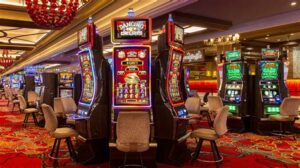
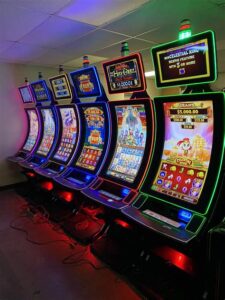
- Lighting: Base lighting is kept low and intimate in main gaming halls to create warmth and hide the effects of fatigue. However, slot machines are brightly lit with flashing LEDs to attract attention and signal excitement. High-roller areas use softer, ambient lighting to evoke a private club ambiance.
- Soundscapes: The modern slot floor is no longer cacophonous. Designers now use «sound masking» — blending the ambient ding of wins with curated background music. The goal is a continuous, low-level hum of activity that suggests success is common.
- Color Theory: Red and gold (associated with luck and wealth) dominate Asian-themed casinos. Cooler tones like blue and green are often used in high-limit areas to promote calm and logical decision-making, though the intensity is carefully controlled to avoid drowsiness.
…