Casino Cashier: Role, Responsibilities, and Career Path in the Gambling Industry
The casino cashier is the financial gatekeeper of any gambling establishment, handling millions in transactions while ensuring compliance with strict regulations. This role demands a unique blend of mathematical precision, customer service excellence, and unwavering integrity. In this expert guide, we explore the full scope of the casino cashier position—from daily duties and required skills to salary expectations and career advancement opportunities.
Table of Contents
- What Does a Casino Cashier Do?
- Essential Skills and Qualifications
- Casino Cashier vs. Cage Cashier: Key Differences
- Salary and Career Growth Opportunities
- Technology and Security in Modern Cashiering
- Frequently Asked Questions (FAQ)
- Conclusion
What Does a Casino Cashier Do?
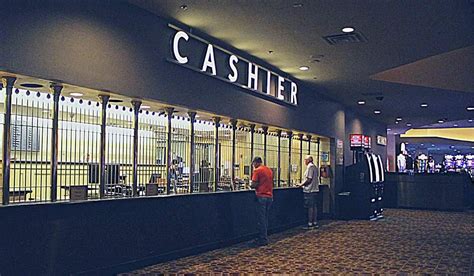
A casino cashier operates the «cage»—the central financial hub of a casino. Their primary responsibilities include:
- Currency Exchange: Converting cash, chips, and tokens while maintaining an accurate balance.
- Check Cashing and Wire Transfers: Validating and processing financial instruments (e.g., personal checks, bank drafts, casino credit).
- Jackpot Payouts: Verifying winning tickets and issuing payouts in accordance with gaming regulations.
- Front Money and Credit Lines: Managing player deposits, safe-keeping funds, and issuing markers (short-term casino credit).
- Record Keeping: Logging every transaction into the casino’s software system for audit and compliance purposes.
The role is high-stress and demands constant vigilance. A cashier handles no «guesswork»—every chip and bill is tracked, often with a dual-control system (two employees verifying large transactions).
Essential Skills and Qualifications
To become a successful casino cashier, you need:
- Mathematical Aptitude – Basic arithmetic speed and accuracy are non-negotiable.
- Attention to Detail – A single miscounted marker can lead to a significant loss or regulatory fine.
- Familiarity with Gaming Regulations – Knowledge of Anti-Money Laundering (AML) protocols, Title 31 reporting, and internal cash-handling procedures.
- Customer Service Skills – Handling VIP players with high-net-worth requires composure and discretion.
- Technical Proficiency – Experience with casino management systems (e.g., IGT Advantage, Oasis, or Konami platforms) is a major plus.
Typical Requirements
| Requirement | Details |
|---|---|
| Education | High school diploma or equivalent (some states require a casino license) |
| Experience | 1–2 years in cash handling, banking, or retail finance |
| Certification | Gaming license from the state regulatory body (e.g., NJ DGE, Nevada GCB) |
| Physical Demands | Ability to stand for long shifts; occasional lifting of cash boxes |
Casino Cashier vs. Cage Cashier: Key Differences
Although the terms are often used interchangeably, a distinction exists:
- Casino Cashier: Focuses on player-facing transactions at the cage window—exchanging money, cashing out chips, and handling jackpot payouts.
…