Casino Gambling Awareness: How to Stay in Control and Play Responsibly
Gambling at casinos—both land-based and online—is designed to entertain, but it also carries real risks. Casino gambling awareness means understanding those risks, recognizing the signs of problem gambling, and using practical strategies to keep play safe and enjoyable. This guide provides a research-backed framework for responsible play, self-assessment, and harm reduction. If you gamble, even occasionally, the information below is a critical tool for protecting your finances and mental health.
Table of Contents
- The Psychology of Casino Design: Why Awareness Matters
- Key Signs of Problem Gambling
- Practical Bankroll Management Strategies
- How to Set Limits and Use Casino Tools
- Where to Find Help and Support Resources
- FAQ: Common Questions About Gambling Awareness
The Psychology of Casino Design: Why Awareness Matters
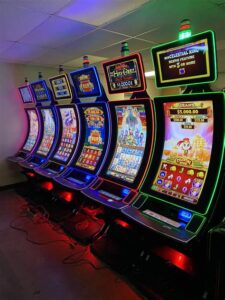
Modern casinos use sophisticated psychological principles—not luck—to keep players engaged. Understanding these mechanisms is the first step in gambling awareness. Key tactics include:
- Intermittent reinforcement: Winners are paid out irregularly, which triggers a dopamine spike and encourages repeated play.
- Losses disguised as wins: Slots often play celebratory sounds for small payouts that are less than the original bet.
- Near-miss effects: A spin that lands one symbol short of a jackpot creates an illusion of “almost winning.”
- Absence of clocks/windows: This disorients time perception, causing players to lose track of hours.
By recognizing these design elements, you can make more rational decisions and avoid the cognitive errors they trigger. Awareness turns an emotional experience into a controlled one.
Key Signs of Problem Gambling
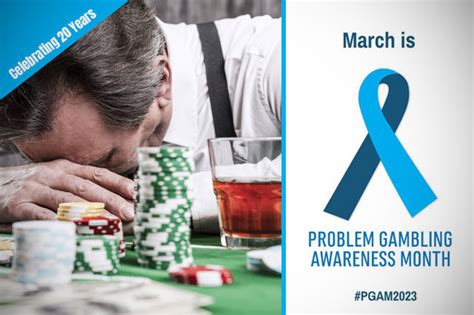
The American Psychiatric Association defines gambling disorder through ten criteria. You should be concerned if you or someone you know experiences four or more of the following within a year:
| Sign | Description |
|---|---|
| Preoccupation | Constantly thinking about past or future bets, or planning the next gambling session. |
| Tolerance | Needing to bet more money to achieve the same excitement level. |
| Withdrawal | Feeling irritable or restless when trying to cut down or stop gambling. |
| Chasing losses | Immediately returning to the casino to win back lost money. |
| Lying | Hiding the extent of gambling from friends or family members. |
| Financial bailout | Relying on others to pay bills or debts caused by gambling. |
| Lost relationships | Risking or losing a significant relationship, job, or career opportunity due to gambling. |
| Loss of control | Attempting to stop or reduce gambling repeatedly without success. |
| Escape | Gambling to relieve feelings of helplessness, guilt, anxiety, or depression. |
| Illegal acts | Committing crimes (theft, fraud) to fund gambling. |
Important: A person does not need to be a daily gambler to have a problem. Even occasional gambling that leads to significant financial harm or relationship damage qualifies as disordered behavior.
…