Casino Rehab: A Practical Guide to Breaking the Gambling Cycle
Gambling disorder is a recognized behavioral addiction that affects millions worldwide, yet it remains one of the most under-treated conditions. Casino rehab programs offer structured medical and psychological support to help individuals regain control over their finances, relationships, and mental health. This guide explores evidence-based treatment paths, red flags, and the long-term recovery process.
Table of Contents
- The Psychology Behind Gambling Addiction
- When Do You Need Casino Rehab? Key Warning Signs
- Core Components of Effective Casino Rehabilitation
- Inpatient vs. Outpatient Programs: What’s the Difference?
- Medication and Therapy: The Science of Recovery
- Coping Strategies to Prevent Relapse
- FAQ
- Conclusion: Your First Step to Freedom
The Psychology Behind Gambling Addiction
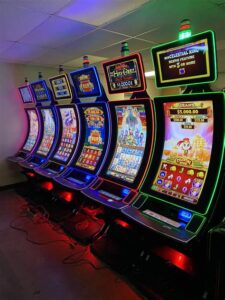
Unlike substance abuse, gambling addiction doesn’t involve ingesting a foreign chemical—it relies on the brain’s natural reward system. The «near-miss» effect and variable ratio reinforcement make slot machines and roulette particularly addictive. Modern neuroscience shows that regular gambling desensitizes dopamine receptors, leading to tolerance (needing bigger bets) and withdrawal symptoms (irritability, restlessness, anxiety). Casino rehab addresses these neural pathways through cognitive-behavioral therapy (CBT) and behavioral modification.
When Do You Need Casino Rehab? Key Warning Signs
Not every recreational gambler needs treatment. However, professional intervention is critical when you experience at least four of these symptoms within 12 months:
| Warning Sign | Example |
|---|---|
| Tolerance | Betting $500 instead of $50 to feel the same excitement |
| Withdrawal | Physical agitation when trying to stop or reduce gambling |
| Loss of control | Repeated failed attempts to quit or cut back |
| Obsession | Preoccupation with past bets, planning the next one, or finding money |
| Escapism | Gambling to relieve stress, guilt, or hopelessness |
| Chasing losses | Returning immediately after a loss to «win it back» |
| Lying | Hiding gambling activity from friends and family |
| Risking relationships | Job loss or divorce due to betting behavior |
If you recognize these patterns, a structured rehab program is far more effective than willpower alone.
Core Components of Effective Casino Rehabilitation
A medically sound casino rehab program is not about «banning» gambling—it’s about rewiring your decision-making process. The best facilities share four pillars:
- Detoxification Phase – For compulsive gamblers, the first 2–4 weeks involve separating you from all access to money, devices, and venues. This is not a cold-turkey approach but rather a controlled environment that breaks the impulse loop.
- Cognitive-Behavioral Therapy – You learn to identify cognitive distortions like «magical thinking» (e.g., «I have a system») and replace them with rational risk assessment.
…