Casino Security Cameras: The Ultimate Guide to Surveillance Systems in 2025
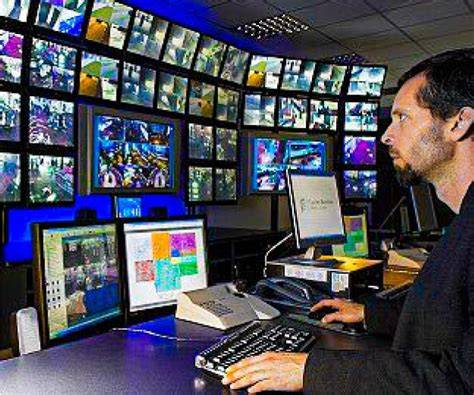
Modern casinos rely on sophisticated camera networks that process terabytes of data daily. These systems detect cheating, monitor employee activity, and ensure player safety—often without a single human watching every feed. This guide explains how casino security cameras work, their key features, and how to choose the right system for your gambling floor.
What You Will Learn
- Core technologies behind casino surveillance
- How AI and facial recognition improve security
- Camera placement strategies that eliminate blind spots
- Legal and privacy considerations
- How to select a system for your venue
The 3-Tier Anatomy of Casino Surveillance
Every serious installation uses a layered approach to cover the entire gaming floor.
| Layer | Focus Area | Typical Cameras |
|---|---|---|
| Outer perimeter | Parking lots, entrances | PTZ (pan-tilt-zoom) domes |
| Gaming floor | Tables, slots, cages | Fixed 4K or 8K units |
| High-risk zones | Vaults, count rooms | Covert pinhole cameras |
Key Technologies That Catch Cheaters
AI-Powered Behavioral Analytics — modern systems don’t just record; they analyze. Advanced algorithms flag unusual betting patterns, card counting, or chip palming in real-time. For example, if a dealer touches cards twice suspiciously, the system triggers an alert to the pit boss.
Facial Recognition at Scale — casinos maintain a database of known cheaters and banned players. Cameras with 20MP sensors capture faces even from 30 meters away, comparing them against the watchlist in milliseconds.
License Plate Recognition (LPR) — parking lot cameras read plates on entry, cross-referencing them with police databases. This helps identify card counters arriving in groups.
> Pro Tip: Always pair optical zoom with digital stability. A 30x optical zoom on a PTZ camera outperforms a 100x digital zoom that loses resolution.
Smarter Placement: Eliminating Every Blind Spot
Poorly placed cameras don’t just fail—they invite crime. Follow these four rules:
- Ceiling height 4–6 meters — cameras mounted higher than that lose detail on chip stacks.
- 30-degree tilt rule — angle lenses to see the table surface, not the players’ heads.
- Overlap of 15–20% — adjacent cameras should share field of view so nothing slips between them.
- Record the floor, not the ceiling — mirrors and reflective surfaces can create optical illusions; use anti-reflection covers.
Where Most New Operators Make Mistakes
- Positioning cameras behind the dealer (doesn’t capture hand movements)
- Ignoring the area under slot machines (where skimming devices are installed)
- Relying on visible cameras only—covert units are essential for internal theft
Compliance and Privacy: The Legal Web
Casino surveillance isn’t just about catching cheaters—it must also pass legal scrutiny. Key principles:
- Notice — in many jurisdictions, you must display visible signage about recording.
- Storage limits — typical retention periods are 30-90 days; check your local gaming commission.
…