Casino Slot Hit Frequency: How It Affects Your Winning Strategy
Understanding casino slot hit frequency is the secret weapon that separates casual players from strategic gamblers. This crucial metric tells you how often a slot machine is likely to produce a winning combination, regardless of the payout size. While most players obsess over RTP (Return to Player), the hit frequency reveals the real rhythm of the game—whether you can expect small wins every few spins or rare but massive payouts. In this article, we’ll break down everything you need to know about hit frequency, how it impacts your bankroll, and how to choose the right slot for your playing style.
Table of Contents
- What Is Hit Frequency in Slot Games?
- The Relationship Between Hit Frequency and Volatility
- High vs. Low Hit Frequency: Which Is Better?
- How Hit Frequency Affects Your Bankroll Management
- Practical Tips for Choosing Slots by Hit Rate
- Frequently Asked Questions (FAQ)
- Conclusion: Choose Your Slot, Own Your Game
What Is Hit Frequency in Slot Games?
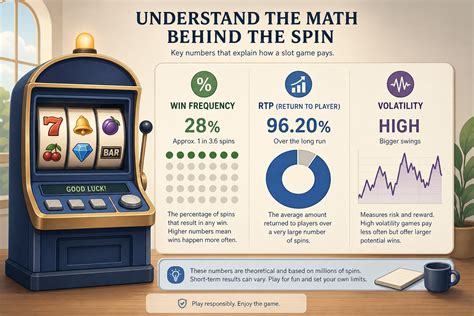
While RTP measures the average percentage of wagered money returned to players over millions of spins, the hit frequency—sometimes known as «hit rate»—defines the percentage of spins that end in any winning outcome.
For example, if a slot has a hit frequency of 35%, it means that for every 100 spins, you can statistically expect about 35 of them to result in some kind of win, even if the win is just the bet amount or a small fraction of it. In contrast, a progressive jackpot slot may have a hit frequency of less than 15%, offering very few but highly rewarding payouts.
To make it clearer:
| Parameter | Definition | Example Value |
|---|---|---|
| RTP (Return to Player) | % of bet returned over long term | 96.5% |
| Hit Frequency | % of spins that result in a win | 35% |
| Volatility (Variance) | Level of risk and variation | Medium-High |
The Relationship Between Hit Frequency and Volatility
Hit frequency and volatility are often misunderstood as the same metric, but that is a common mistake. Volatility is a statistical measure of the distribution of payouts—how big the payouts are and how often they occur. Hit frequency is just a component of that distribution.
How They Interact
- Low volatility + high hit frequency: These slots pay out small amounts very frequently. You rarely encounter dry spells lasting more than a few spins.
- High volatility + low hit frequency: These games can have long losing streaks, but the wins you do get are substantially larger.
- Medium combinations: Most modern slots aim to balance hit frequency around 25–30%, delivering a moderate mix of small and mid-size wins.
In essence, the hit frequency is the «pace» of a slot, while volatility is the «rhythm» of the payout sizes. A slot with a 95% hit frequency but tiny payouts would be boring to most players, whereas one with 5% hit rate could drain your bankroll before you even see a feature.
High vs. Low Hit Frequency: Which Is Better?
…